
The Allure of Games of Chance Understanding Their Impact and Appeal
The Psychological Appeal of Luck
Games of chance have captivated audiences for centuries, drawing players in with the promise of fortune and excitement. The essence of these games lies in their unpredictability; participants find the thrill of not knowing the outcome both exhilarating and nerve-wracking. This element of chance creates a unique psychological experience, where the prospect of winning can release dopamine, making the act of playing highly rewarding, even beyond the actual financial gains. Many enthusiasts engage with various platforms that offer a variety of options, such as a flying game that accentuates this allure.
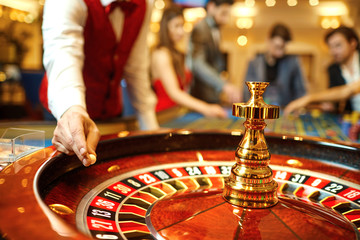
The brain’s response to the uncertainty of these games often results in a cycle of anticipation and reward. Players tend to remember their wins vividly while filtering out the losses, which further fuels their desire to play. This phenomenon can lead to compulsive behaviors, as the lure of potential success overshadows the risks involved. Understanding this psychological dimension helps explain why games of chance continue to hold such a powerful allure in society.
Cultural Significance Across the Ages
The cultural implications of games of chance extend far beyond mere entertainment. Historically, these games have been entrenched in various societies, often linked to religious practices, social gatherings, and even political activities. In many cultures, gambling is not just a pastime but a ritual that signifies community and celebration. Festivals often incorporate games of chance as a method of both enjoyment and income generation for local economies. This rich tapestry highlights the intersection of culture and gambling, emphasizing its role in societal dynamics.
As modern technology evolves, the cultural significance of these games has transformed yet again. Online platforms and mobile applications have made access to games of chance easier than ever, allowing them to permeate new cultural spheres. The integration of social elements, such as multiplayer experiences, further enhances their appeal, making them a staple of modern social interaction. The evolution of these games reflects broader societal changes, showcasing how they adapt while retaining their core elements of risk and reward.
Economic Impact and Regulation
The economic implications of games of chance are multifaceted, influencing everything from local businesses to national economies. In many regions, regulated gambling industries contribute significantly to tax revenues, funding public services and infrastructure. This financial benefit often garners support for the legalization and regulation of gambling activities, with governments recognizing the potential for economic growth alongside cautious measures to protect consumers.
However, the economic upsides come with their own set of challenges. Problem gambling remains a serious concern, prompting the need for effective regulation to ensure fairness and protect vulnerable populations. Many jurisdictions are implementing stricter controls and promoting responsible gambling initiatives to foster a safer environment for players. Striking the right balance between enjoying the economic benefits and safeguarding against the risks is crucial for the sustained success of these activities.
The Future of Games of Chance
As technology continues to advance, the future of games of chance appears increasingly promising yet complex. The rise of virtual reality, augmented reality, and blockchain technology is setting the stage for a new era in which experiences are more immersive and engaging than ever before. Players can expect to witness innovative game formats that blend traditional elements with modern advancements, offering unique ways to experience the thrill of chance.
Moreover, the ongoing discussions surrounding regulation and responsible gaming will shape the landscape significantly. As the industry evolves, stakeholders—ranging from game developers to policymakers—are tasked with ensuring that the pursuit of enjoyment does not compromise safety and fairness. How these issues play out will ultimately determine the direction of games of chance, making it a dynamic arena to watch in the years to come.
Exploring More on This Topic
For those fascinated by the dynamics of games of chance, there is a wealth of information available to deepen your understanding. From the psychological elements that drive player behavior to the intricate workings of the gaming industry, resources abound to explore this captivating subject. Engaging with these materials can provide insights and perspectives that enrich your appreciation of the games themselves.

Whether you are an occasional player or a curious observer, the world of games of chance offers something for everyone. As you delve into this multifaceted topic, you can discover how the interplay of risk, reward, and cultural significance continues to shape not only the gaming landscape but also our society at large.