
When the pandemic shifted billions of people into remote work and tighter budgets, a quiet revolution unfolded behind the scenes of fintech. Instead of traditional banks, a growing cadre of online loan marketplaces began to offer instant funding for those with less-than-perfect credit. By mid‑2026 these platforms have carved out a niche that balances speed, convenience, and regulatory compliance—yet they still come with caveats worth noting.
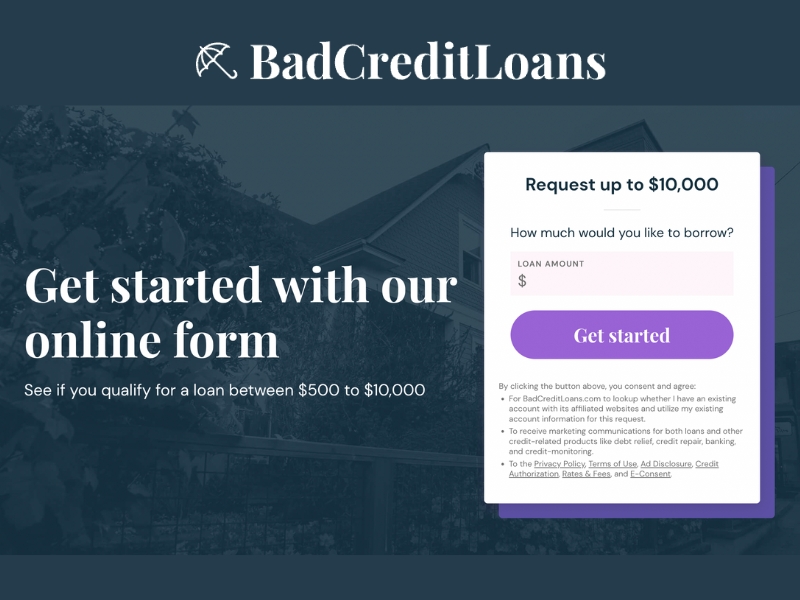
One standout platform in this space is BadCreditLoans.com, a portal that aggregates offers from a network of lenders who look beyond the FICO score. While the site has been praised for its transparency, potential borrowers must understand how the matching process works and what fees may accompany an approved loan.
The Rise of Digital Lenders in 2026
Financial technology has long promised to democratize borrowing, but it was only after the early‑stage regulatory cracks that online marketplaces truly gained traction. In 2026, business.com reported a 27% increase in consumer sign‑ups for personal loan aggregators, citing lower interest rates and the allure of “no paperwork” as key drivers.
Unlike traditional banks that require a bank account and credit history, many fintech lenders use alternative data—such as employment stability, utility payments, or even social media activity—to gauge risk. This approach has opened doors for millions who otherwise would have been denied outright. However, the same algorithmic scrutiny can flag small discrepancies, leading to higher interest rates or stricter repayment terms.
Regulators responded by tightening oversight in 2026. The Consumer Financial Protection Bureau (CFPB) issued new guidelines requiring lenders to disclose “true cost” information upfront and to provide borrowers with a clear audit trail of any fees added during the application process. These rules aim to curb predatory practices while preserving the benefits of digital convenience.
Key Regulatory Updates
- CFPB Fee Transparency Act (2025): Lenders must list all upfront, ongoing, and hidden fees in a single, easy‑to‑read table before an offer is presented.
- State-by-State Lending Caps: Several states now cap the Annual Percentage Rate (APR) on short‑term loans at 36% for borrowers with a FICO score below 600.
- Consumer Consent Protocols: Borrowers must provide explicit consent before any data is shared with third‑party credit bureaus or collection agencies.
How BadCreditLoans.com Works: A Step‑by‑Step Breakdown
The platform’s user interface feels like a modern dashboard. You begin by entering basic information—loan amount, income level, and contact details—and the system immediately scans its lender network for matches.
- Initial Screening: Within minutes, BadCreditLoans.com presents a shortlist of lenders offering APRs between 12% and 48%, with terms ranging from 6 to 36 months. Each offer includes an estimated monthly payment calculated using the borrower’s projected income.
- Documentation Upload: Successful matches require only minimal documentation: a recent pay stub, a bank statement, or proof of employment. This low barrier eliminates the typical weeks spent gathering paperwork.
- Final Approval and Disbursement: Once the lender approves your application, funds are typically deposited into your account within 24 hours—an impressive feat compared to traditional loan timelines.
Because BadCreditLoans.com does not issue loans itself, borrowers can compare several offers side‑by‑side. This feature encourages competition among lenders, often driving down rates for consumers who have a decent credit profile but lack the documentation required by brick‑and‑mortar banks.
Pros and Cons at a Glance
| Feature | Benefit | Potential Drawback |
|---|---|---|
| Instant Approval | Funds in 24 hours | Higher APR for low credit scores |
| No Pre‑payment Penalties | Flexible repayment options | Lender may charge hidden fees if not disclosed upfront |
| Multiple Lender Options | Competitive rates | Confusing to compare offers without a clear fee table |
| Low Documentation Requirements | Saves time and effort | Risk of fraud if verification is weak |
What Borrowers Should Watch For
While the appeal of quick cash is undeniable, borrowers should scrutinize each offer beyond the headline APR. Hidden fees—such as origination charges or late payment penalties—can inflate the total cost by up to 15% over the life of the loan.
To guard against surprises, many experts recommend using NerdWallet’s pre‑qualification tool. By entering your financial details into this no‑credit‑check calculator, you can gauge how different lenders might rate you before clicking “Apply.” This step often saves time and prevents unwanted applications that could negatively impact your credit score.
Another safety net is to maintain a clear repayment schedule. Setting up automatic payments via your bank or the lender’s mobile app reduces the risk of missed due dates, which can trigger penalty fees and damage your credit history.
Real‑World Success Stories
- Maria S., 32, Portland: “I needed $4,000 for a home renovation. BadCreditLoans.com matched me with a lender that offered a 24‑month term at 18% APR—much lower than the bank’s 28%. I paid off the loan in 21 months and even managed to save on interest.”
- David K., 45, Atlanta: “My credit dipped after a medical emergency. Using the platform’s quick application, I secured a $2,500 loan in under an hour. The lender’s transparent fee schedule helped me avoid hidden charges.”
- Sofia R., 27, Chicago: “I used the comparison feature to find a lender with no early payoff penalty. This flexibility meant I could repay faster without incurring extra costs.”
Choosing the Right Lender Through BadCreditLoans.com
When evaluating offers, consider both the APR and the total cost of borrowing. A lower rate might come with a higher upfront fee, while a slightly higher rate could be offset by no origination fees.
- APR vs. Total Cost: Calculate the effective annual yield (EAY) to compare offers accurately.
- Loan Term Impact: Shorter terms increase monthly payments but reduce total interest; longer terms do the opposite.
- Early Repayment Flexibility: Verify whether the lender imposes a pre‑payment penalty.
Many borrowers also look at CNBC Select’s reviews of bad‑credit loans, which provide real‑world data on lender performance, customer service ratings, and hidden fee disclosures. Cross‑referencing these insights with the platform’s own offers can help you make an informed decision.
The Role of Credit Scores in 2026
Even within the fintech ecosystem, credit scores still matter. While some lenders will approve borrowers with scores as low as 500, they often charge higher APRs to offset risk. Conversely, a FICO score above 650 usually grants access to the most competitive rates and flexible terms.
Borrowers can boost their chances by:
- Checking Credit Reports: Use AnnualCreditReport.com for free updates.
- Addressing Inaccuracies: Dispute errors that might artificially lower your score.
- Reducing Credit Utilization: Aim to keep balances below 30% of available credit.
Financial Responsibility and the “Loan Now” Choice
In an era where instant gratification often clashes with long‑term financial health, platforms like BadCreditLoans.com walk a fine line. They offer a lifeline to those in need of immediate funds while also encouraging responsible borrowing habits.
Before clicking Loan Now, take the time to read the full terms and conditions, verify that no hidden fees are present, and confirm that your repayment plan aligns with your budget. By doing so, you can harness the power of modern lending without falling into the pitfalls that plagued early‑stage fintech offerings.
As we move deeper into 2026, the intersection of technology, regulation, and consumer demand will continue to evolve. For now, online loan marketplaces stand as a testament to how digital innovation can broaden access while still demanding vigilance from borrowers who seek both speed and fairness in their financial journeys.